


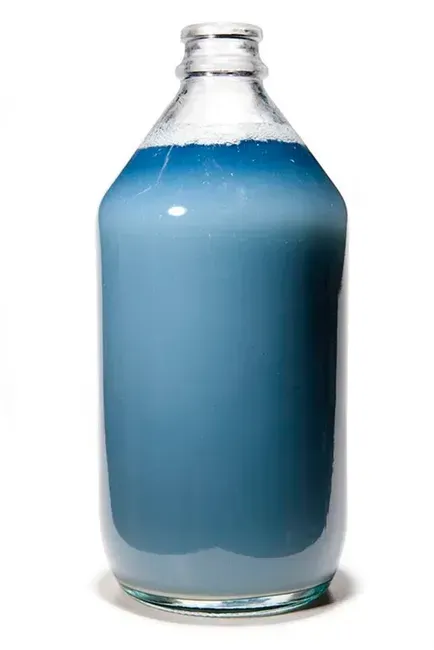
Horseshoe crab blood has earned a remarkable nickname: blue gold. This strangely blue liquid commands a high price because it contains a biological alarm system that helps scientists detect dangerous bacterial contamination in medicines and medical devices.
Strictly speaking, horseshoe crabs do not have blood like humans do. They have hemolymph, and it contains specialized immune cells called amebocytes. When these amebocyte cells encounter bacterial endotoxins—(molecules released by Gram-negative bacteria) they trigger an immediate clotting reaction. Scientists exploit that clotting reaction in a laboratory test called Limulus amebocyte lysate (LAL).
What makes horseshoe crab blood so valuable?
The key ingredient is not the blue color. It is the horseshoe crab’s extraordinary sensitivity to endotoxins.
The LAL reaction relies on a chain of proteins, including Factor C, Factor B, a pro-clotting enzyme and coagulogen (a compound that creates clots). A dangerous endotoxin activates Factor C, which starts this molecular cascade. The final reaction converts coagulogen into an insoluble gel. Scientists can then measure that reaction to determine whether a sample contains bacterial endotoxin.
That ability matters because endotoxins remain dangerous even after manufacturers kill the bacteria that produced them. Even clear liquids can still be potentially toxic. So, pharmaceutical companies test injectable medicines, vaccines, and medical devices for contamination before they reach patients.
How do scientists extract it?
Companies collect horseshoe crabs from the wild and transport them to specialized facilities. Workers carefully draw a portion of the animals’ hemolymph, after which they generally return the crabs to the ocean.
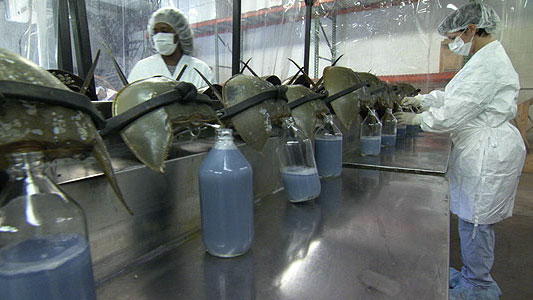
The collected blood cells undergo processing to produce LAL. Researchers centrifuge the blood to separate its cellular components and then lyse the amebocytes in distilled water. This releases the enzymes and proteins needed for the endotoxin-detection reaction. Manufacturers formulate and standardize the resulting lysate into a laboratory reagent.
The process does not simply turn blood into a commodity like ordinary livestock blood. It requires specialized collection, controlled processing, quality testing and a reliable supply of animals. More than 500,000 horseshoe crabs have been collected and bled annually for biomedical purposes in North America, according to a review of the industry.
Where is the market?
The biggest market exists wherever manufacturers must demonstrate that products intended for injection or implantation are free from harmful levels of bacterial endotoxin.
Pharmaceutical companies, vaccine manufacturers, biotechnology companies and medical-device producers use endotoxin tests as part of quality control. North America and Europe have historically relied heavily on LAL testing, while horseshoe-crab-derived lysates and related technologies also support biomedical testing in Asia.
That global market helps explain the value of the substance: a tiny quantity of LAL can perform a highly specialized safety test with potentially enormous consequences for patient health.
Why isn’t everyone switching to synthetic alternatives?
Scientists have developed recombinant Factor C (rFC), which recreates the critical endotoxin-sensing protein without harvesting horseshoe crab blood. Studies have found rFC comparable to traditional LAL testing for many applications, and regulatory acceptance has expanded.
The transition, however, takes time. Pharmaceutical manufacturers must validate alternative testing methods, and companies that sell products globally may need to satisfy different regulatory requirements. As adoption grows, recombinant technology could reduce pressure on horseshoe crab populations while preserving the ability to detect dangerous endotoxins.
So, why is horseshoe crab blood so expensive? Because an ancient biological defense system is still an essential tool for modern medicine.