


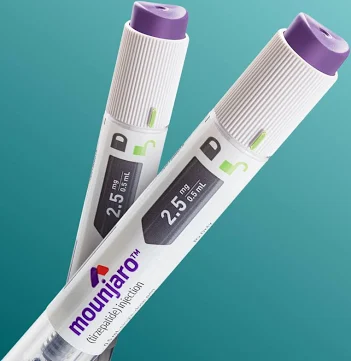
Tirzepatide has become widely known for its ability to help people lose weight (Zepbound) and improve blood sugar control (Mounjaro). But researchers have discovered that the health benefits of tirzepatide may extend beyond body mass and blood glucose.
Tirzepatide activates two hormone pathways: GIP and GLP-1. These hormones help regulate appetite, blood sugar, and how the body handles food. As research continues, several possible additional health benefits are gaining attention.
1. Decreased Sleep Apnea
One of the most significant findings involves obstructive sleep apnea (OSA), a condition in which breathing repeatedly stops or becomes shallow during sleep.
In two large clinical trials, people with obesity and moderate-to-severe OSA who received tirzepatide had major reductions in the number of breathing interruptions during sleep. They also experienced improvements in body weight, blood pressure, inflammation markers, and sleep-related symptoms.
The findings were important enough that the U.S. Food and Drug Administration approved Zepbound (tirzepatide) for moderate-to-severe OSA in adults with obesity in December 2024.
2. Lower Risk of Developing Type 2 Diabetes
Excess weight is a major risk factor for type 2 diabetes. Because tirzepatide can produce substantial and sustained weight loss, researchers have studied whether it can also reduce the risk of developing diabetes.
The SURMOUNT-1 trial included adults with obesity who did not have diabetes. Researchers found that tirzepatide substantially reduced the progression toward type 2 diabetes during the study period.
This suggests that treating obesity may have benefits that go beyond weight management alone.
3. Potential Heart-Failure Benefits
Researchers are also studying tirzepatide in people with heart failure with preserved ejection fraction (HFpEF) and obesity.
In the SUMMIT trial, 731 adults with HFpEF and obesity received either tirzepatide or placebo. Over the study period, the tirzepatide group had fewer cardiovascular deaths or worsening heart-failure events. Participants also reported better health status and quality of life.
However, these results apply specifically to people with HFpEF and obesity. They are not proof that tirzepatide prevents or treats every type of heart disease.
4. Possible Kidney Protection
Surprisingly, kidney health showed interesting results. In an analysis of the SURPASS-4 trial involving people with type 2 diabetes and high cardiovascular risk, tirzepatide was associated with a slower decline in kidney function and a lower rate of a combined kidney outcome compared with insulin.
More recent research has continued to examine tirzepatide’s effects on kidney outcomes, including in people with chronic kidney disease.
What Does This Mean?
Regulating human metabolism really appears to affect numerous body systems. A growing body of research suggests that tirzepatide may have effects beyond what it was created for. Improvements in sleep apnea, diabetes risk, heart-failure outcomes, and kidney-related measures are among the areas researchers are investigating. Preliminary data suggests it may even affect cancer risk an progression.
Still, tirzepatide is not appropriate for everyone, and its benefits and risks vary from person to person. Common side effects include nausea, diarrhea, vomiting, and other gastrointestinal symptoms. Anyone considering tirzepatide should discuss its potential benefits and risks with a qualified healthcare professional.