


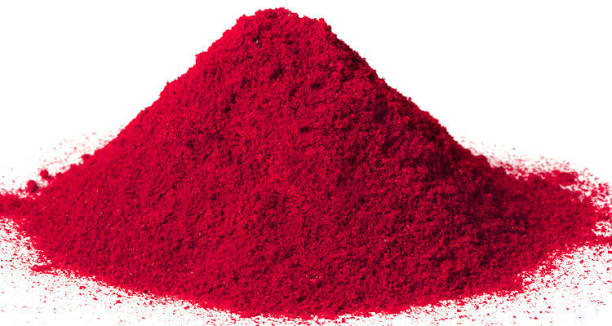
Astaxanthin is one of the most powerful compounds antioxidants discovered. Found naturally in certain algae (and the marine animals that consume them), this deeply red carotenoid has grown increasingly popular. The red pigments unique ability to help protect cells from oxidative stress has made it a topic of growing interest among researchers, health professionals, and consumers.
What Is Astaxanthin?
Astaxanthin is a naturally occurring pigment belonging to the carotenoid family, the same group of compounds that includes beta-carotene and lutein. Unlike some carotenoids, astaxanthin is not converted into vitamin A in the human body. Instead, it functions primarily as a potent antioxidant that helps neutralize free radicals before they can damage cells.
Its distinctive reddish-orange color is responsible for the appearance of wild salmon, shrimp, lobster, krill, and flamingos. These animals do not produce astaxanthin themselves; they obtain it through their diet.
Where Does Astaxanthin Come From?
The richest natural source of astaxanthin is the freshwater microalgae Haematococcus pluvialis. When exposed to environmental stress, such as intense sunlight or limited nutrients, the microalgae churns out large amounts of astaxanthin. The pigment protects against oxidative damage.
Other marine organisms accumulate astaxanthin by consuming algae directly or indirectly through the food wweb. As a result, wild salmon, trout, shrimp, crab, lobster, and krill all contain varying amounts of this astaxanthin antoxidant.
Today, most high-quality dietary supplements derive their astaxanthin from cultivated Haematococcus pluvialis, providing a sustainable and concentrated natural source.
Why Is Astaxanthin Antioxidant Useful?
Every day, the human bodies generate unstable molecules known as free radicals. This happens naturally through normal metabolism, exercise, UV exposure, pollution, and other environmental factors. However, when free radicals accumulate faster than the body can eliminate them, free radicals create oxidative stress. This stress has been associated with aging and numerous chronic diseases.
Astaxanthin protects cells by “donating” electrons to free radicals–but astaxanthin doesn’t become unstable in the process. Interesting, astaxanthin spans the entire cell membrane, it can help protect both the inner and outer portions of the membrane simultaneously, unlike many antioxidants that primarily function only water- or fat-soluble parts of our cells.
Researchers have investigated astaxanthin for its potential roles in supporting skin health, eye health, cardiovascular function, exercise recovery, and immune function. Many findings are promising and clinical research continues to explore and determine health benefits.
How Powerful Is Astaxanthin Compared to Other Antioxidants?
Laboratory studies reliably show that astaxanthin has exceptionally high free radical scavenging activity.
Although exact comparisons vary depending on the testing method, commonly cited laboratory estimates suggest that astaxanthin may exhibit approximately:
- Up to 6,000 times greater antioxidant activity than vitamin C
- Around 550 times greater antioxidant activity than vitamin E
- Roughly 40 times greater antioxidant activity than beta-carotene
- Approximately five times greater antioxidant activity than lutein
These comparisons generally come from laboratory antioxidant capacity assays rather than direct measurements of health outcomes in humans. Nevertheless, they illustrate why astaxanthin has attracted considerable scientific interest.
Natural Sources of Astaxanthin
Although supplements provide concentrated amounts, several foods naturally contain astaxanthin. These include:
- Wild salmon
- Sockeye salmon
- Rainbow trout
- Shrimp
- Lobster
- Crab
- Krill
The concentration varies depending on the species, diet, and whether the seafood is wild or farm-raised.
Supplementing with Astaxanthin
Eating seafood is one way to get astaxanthin but it’s not always reliably eaten. Fortunately, sustainably farmed microalgae can fill that gap very easily. Astaxanthin comes in a deep ruby red color, so it’s hard to miss.
Not all astaxanthin supplements are created equal. Look for products that contain natural astaxanthin derived from the microalga Haematococcus pluvialis. Check the dosage per serving—many studies have used between 4 and 12 mg per day, although individual needs may vary. It’s also a good idea to choose supplements that have been third-party tested for purity and potency, and that clearly list their ingredient source.
Because astaxanthin is fat-soluble, a supplement that includes a healthy oil, such as an MCT oil or olive oil, may help improve absorption when taken with a meal containing dietary fat.
Conclusion
Astaxanthin serves as a powerful defense against oxidative stress due to its crazy high antioxidant capacity, ability to protect cell membranes, and growing body of scientific research. While research into its health effects continues, its unique biological properties set it apart from other antioxidants. You may wish to add it to your daily supplement stack.